What makes a good portrait
In such a gear-centric era of photography, I think that it is important to remind ourselves what makes a great photograph. As I develop as a photographer, I have learned to look more to great photographers for inspiration, as I aim to try and worry less about the technical elements of the discipline. I do this as an effort to work with what I have, as opposed to always stalling and looking for answers in the form of new gear.
“Good portraits have attitude and convey something about the sitter’s personality” — Kathy Ryan, director of photography at the New York Times
I’d like to kick things off by taking a look at some of the great portrait photographers of our time, so that we can form a foundation of where we want to go with the more technical elements of great portraiture. I’ve chosen three different photographers, each incredible in their own way. The first is Arnold Newman…
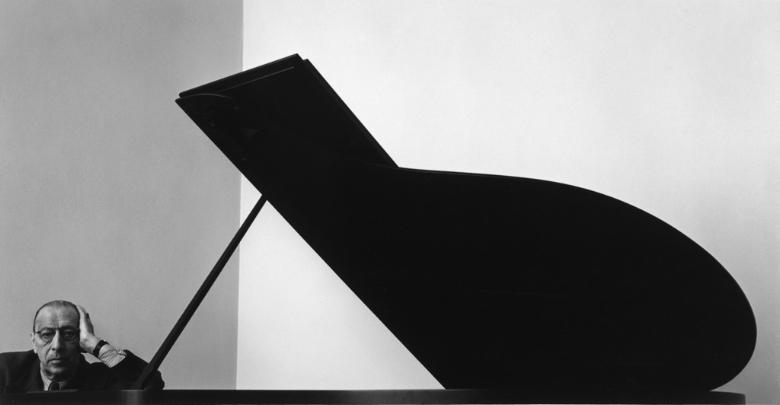
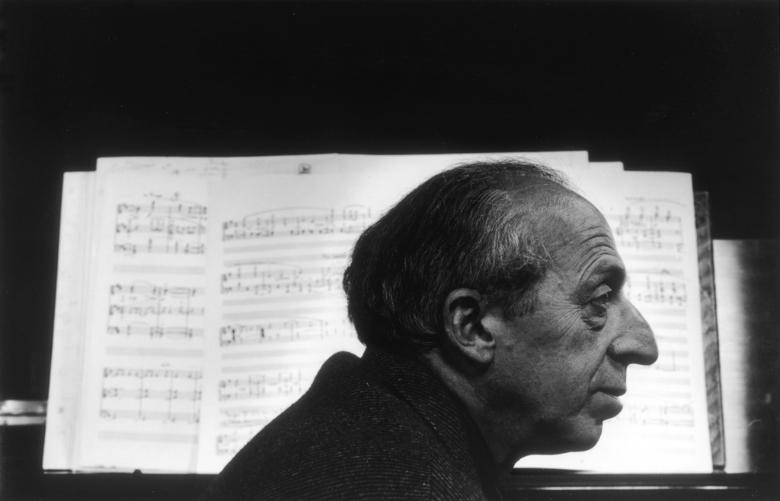
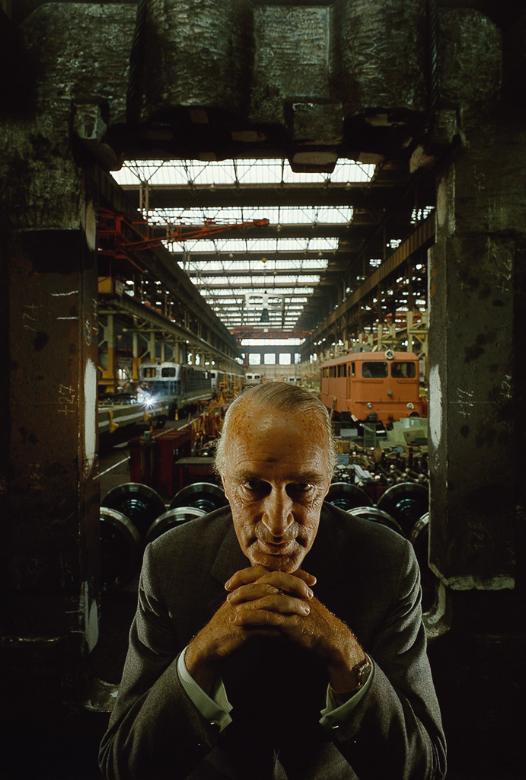
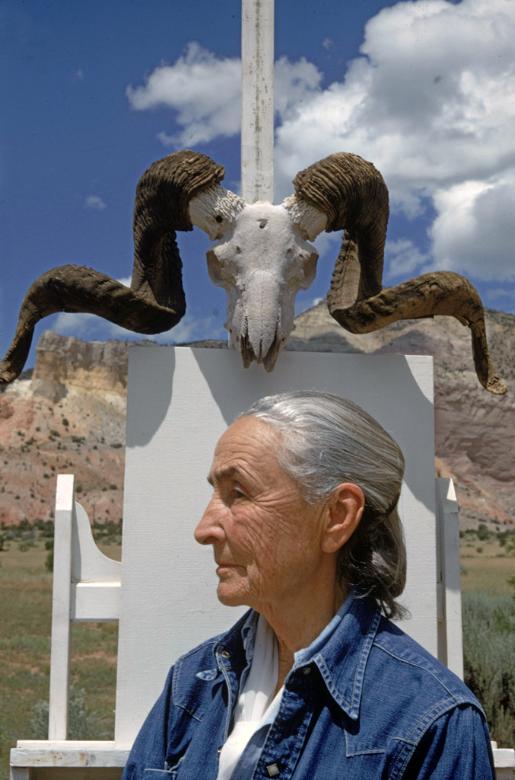
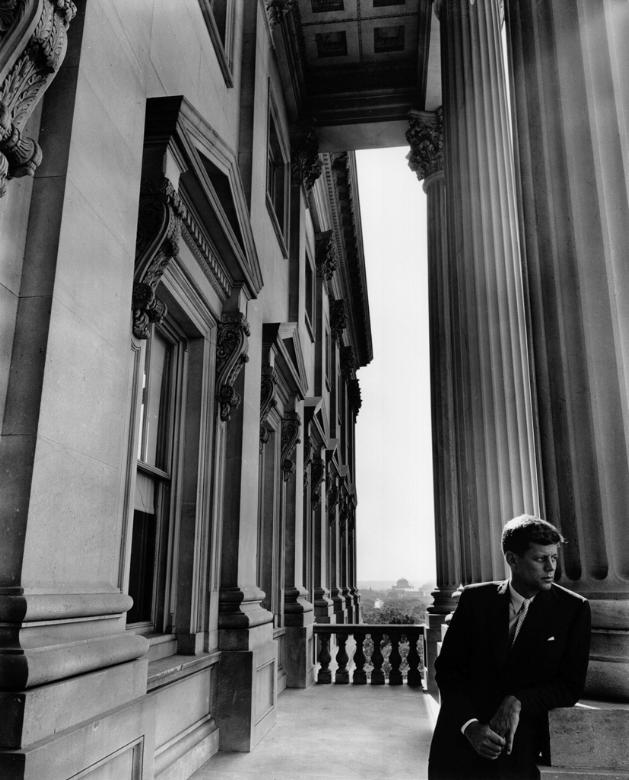
“Photography is 1% talent and 99% moving furniture.” — Arnold Newman
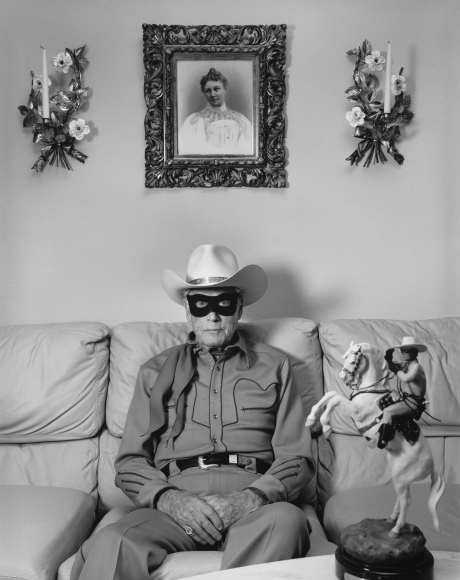
The first photographer that I want to mention is Arnold Newman, as I think that he exemplifies this attitude. He worked with the environment of the shoot to tell a narrative about his subjects in an amazingly visual way. He once said that “We do not take pictures with our cameras, but with our hearts and minds.” This is an attitude that is great to take on board, as a portrait is more than the sum of its photographic aesthetics — a great portrait is a brief window into the mind of the sitter, and to achieve this you need to focus less on the camera and more on the relationship between sitter and photographer.
Just as importantly, Newman’s subjects are often framed very meticulously within their environments, using composition to create these amazing pieces of work. This is also a really important lesson to take on board. Always be wary of the background, and where possible, use it to your advantage.
Don’t rely on image quality and quality lenses to create your portrait — instead work with the environment to create a relevant frame in which to place your subject. Be creative and don’t be afraid to get the subject to look out of frame. Be bothered to move furniture. Backgrounds matter — take the time to move your subject until you think you have a great shot.
Mary Ellen Mark, who sadly passed away in 2015, was an incredible humanist photographer. Scores of celebrities adorn her galleries, however she is better known for her stunning in-depth documentary work, which is often focused on people on the fringes of society.
Mary Ellen Mark was very intimate with her subjects, often establishing lifelong friendships through long-term projects. These portraits betray so much personality in a non-contrived manner. They are in-the-moment portraits that arise from a strong relationship of trust with her subjects. She is less focused on the composition of the environment, like Arnold, and more focused on the relationship between subject and camera. She was always wary of the background though:
“If the background doesn’t work together with your main subject, you won’t have a good picture”
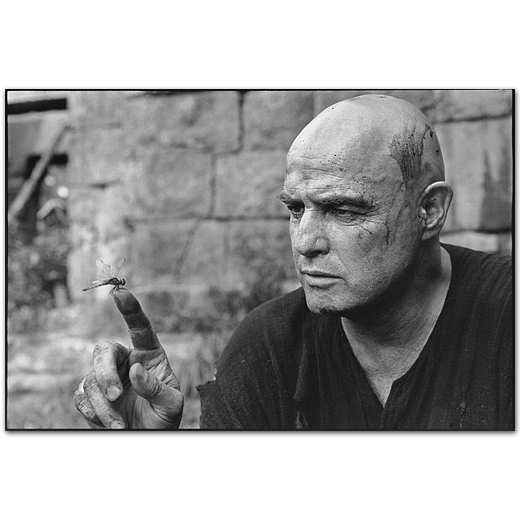
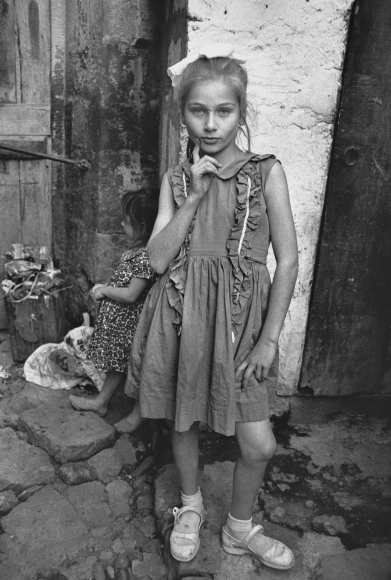
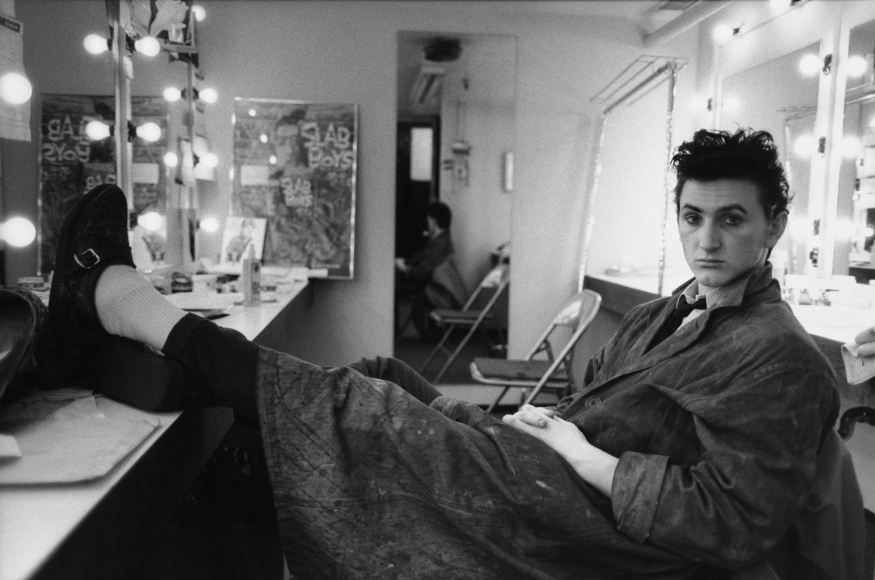
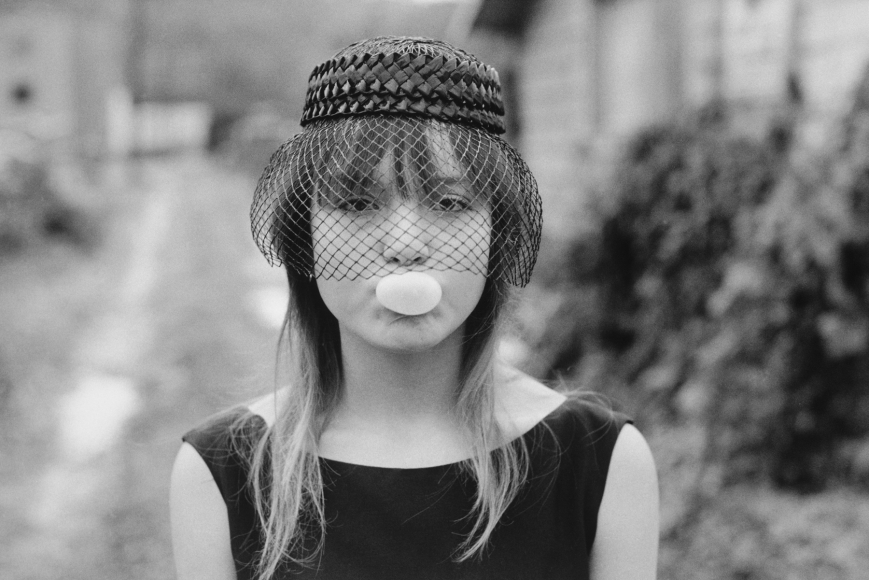
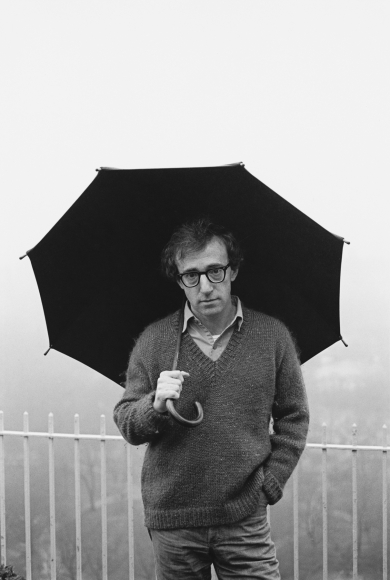
Use your relationship with the sitter to get the most out of them — try and capture an organic moment that reveals a lot about the personality of your subject. Push the boundaries of what you are comfortable with in order to create intimate portraits. Shoot candidly, but always watch your background.
When you have the time, I’d really suggest watching this video, where Mary talks through some of her most iconic portraits and discusses what makes a great portrait.
One of the hardest working portrait photographers on the modern circuit, Nadav’s photographs are included in major collections worldwide, including the National Portrait Gallery. His technical mastery of lighting is renowned, but there are also other interesting lessons to be taken from this modern portrait legend.
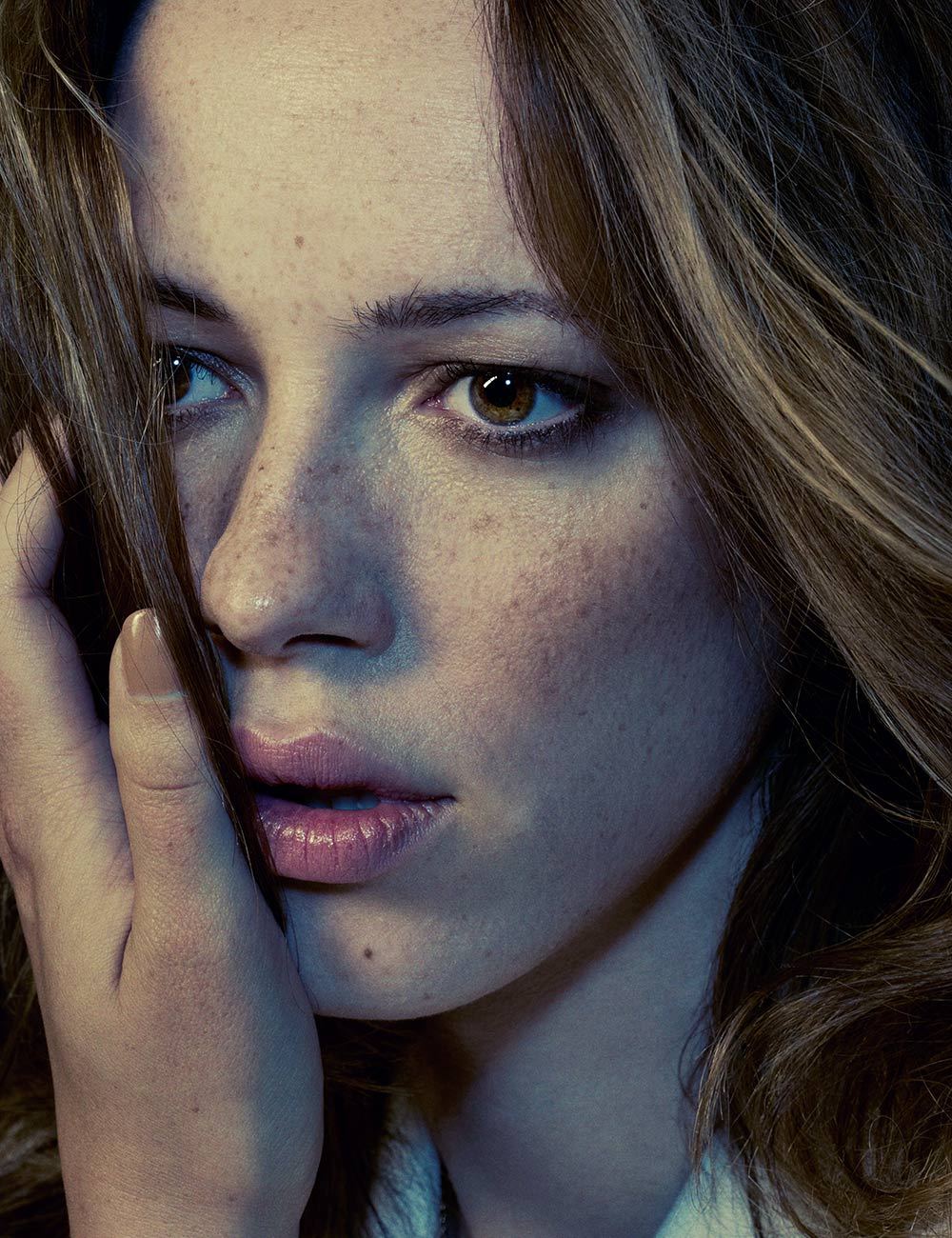
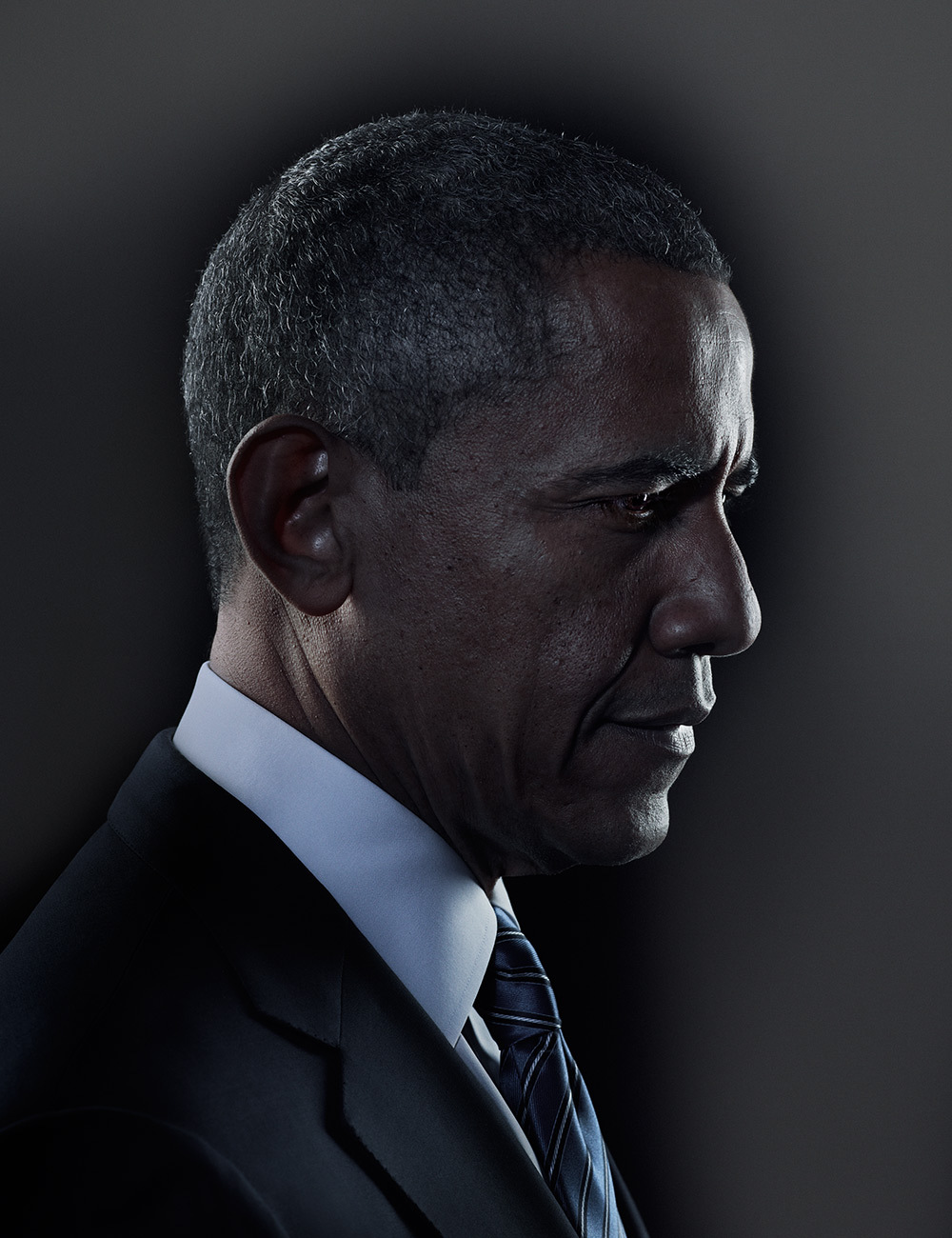
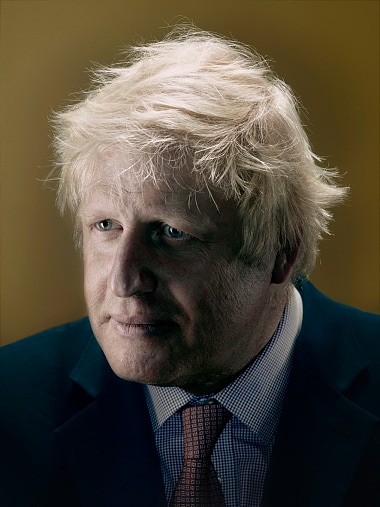
On a shoot for the Telegraph magazine of the then mayor of London Boris Johnson, Nadav said that he prepared first: “I studied multiple images of Boris. I wanted to familiarise myself with the subtle nuances of his face and body. I’m interested in the subject’s humanity, not what it says about them in Wikipedia.”
He likes to spend at least three hours on his lighting setups before his subjects arrive. This highlights the scale of preparation needed to achieve such technically astute work. Once the subject is in front of him, he doesn’t mind so much if they are uncomfortable. It’s the end shot that he cares about.
“Other photographers like to show their subject as relaxed and happy, but for me, the myriad other states of being we experience are equally truthful.”
Great portraits don’t happen by accident. Take time to develop your concept based around your subject, and have the patience to set it up and make sure you’ve got it right. The time taken to prepare the shoot doesn’t matter — you’re not a bad photographer if you take three hours to set up the perfect shot. Preparation is essential.
There are a huge number of photographers to choose from when writing this piece, but these are three that really jumped out at me because they’ve been influential and I can’t stop revisiting their work.